History of Villa Itsaso
19th century villa turned into a museum
This villa, now restored as a small hotel, embodies in its architecture and rural setting a unique period and atmosphere representative of Basque historical, social, and cultural development.
It is the first Neo-Basque villa, built at the end of the 19th century during the height of European regionalism rooted in Romanticism and undoubtedly in response to the profound identity crisis triggered by the abolition of the fueros (chartered rights) of 1876.
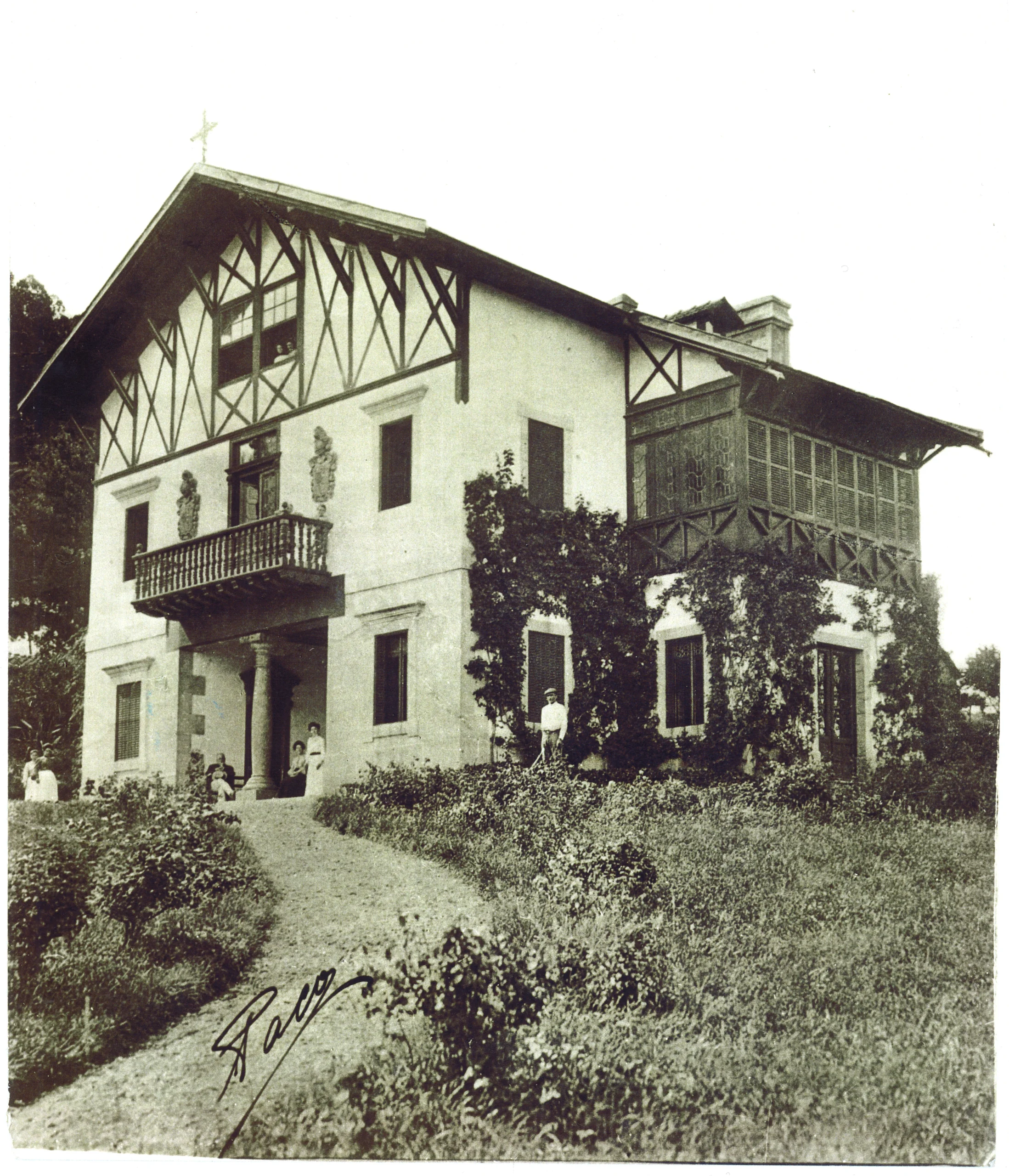
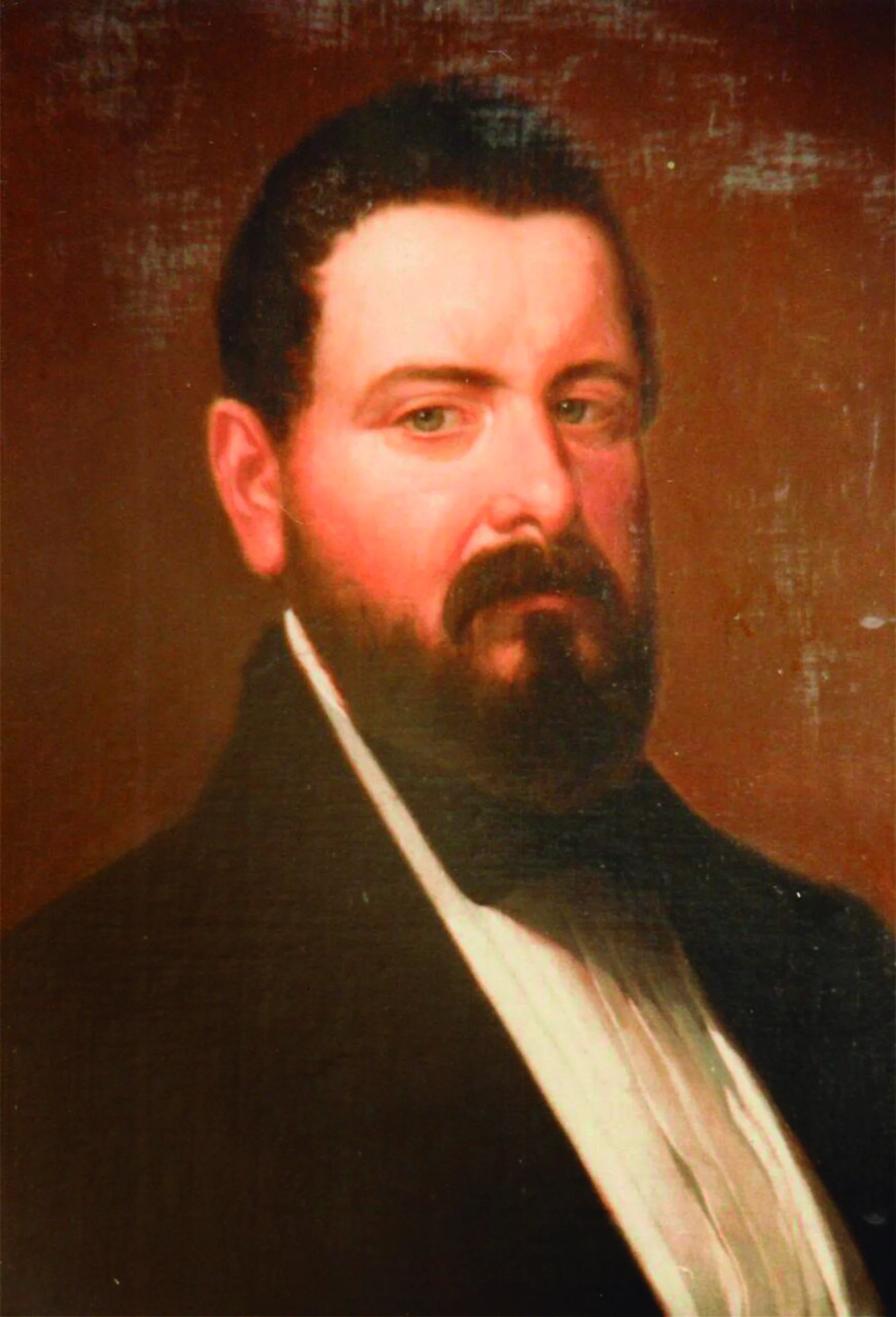
Built in 1883 by the geologist Ramón María Adán de Yarza and conceived as a summer house, this was the era when tourism was emerging, practiced by the English on the southern coast of France (which we call Iparralde, considering it the northern Basque Country). It was a time of therapeutic sea bathing and sunbathing; of spas… and, of course, the bourgeois atmosphere and industrialization.
Obviously, the hotel requires a different kind of comfort than that conceived in the 19th century, but we wanted to maintain the large, open, and well-lit spaces that inspired its original layout.
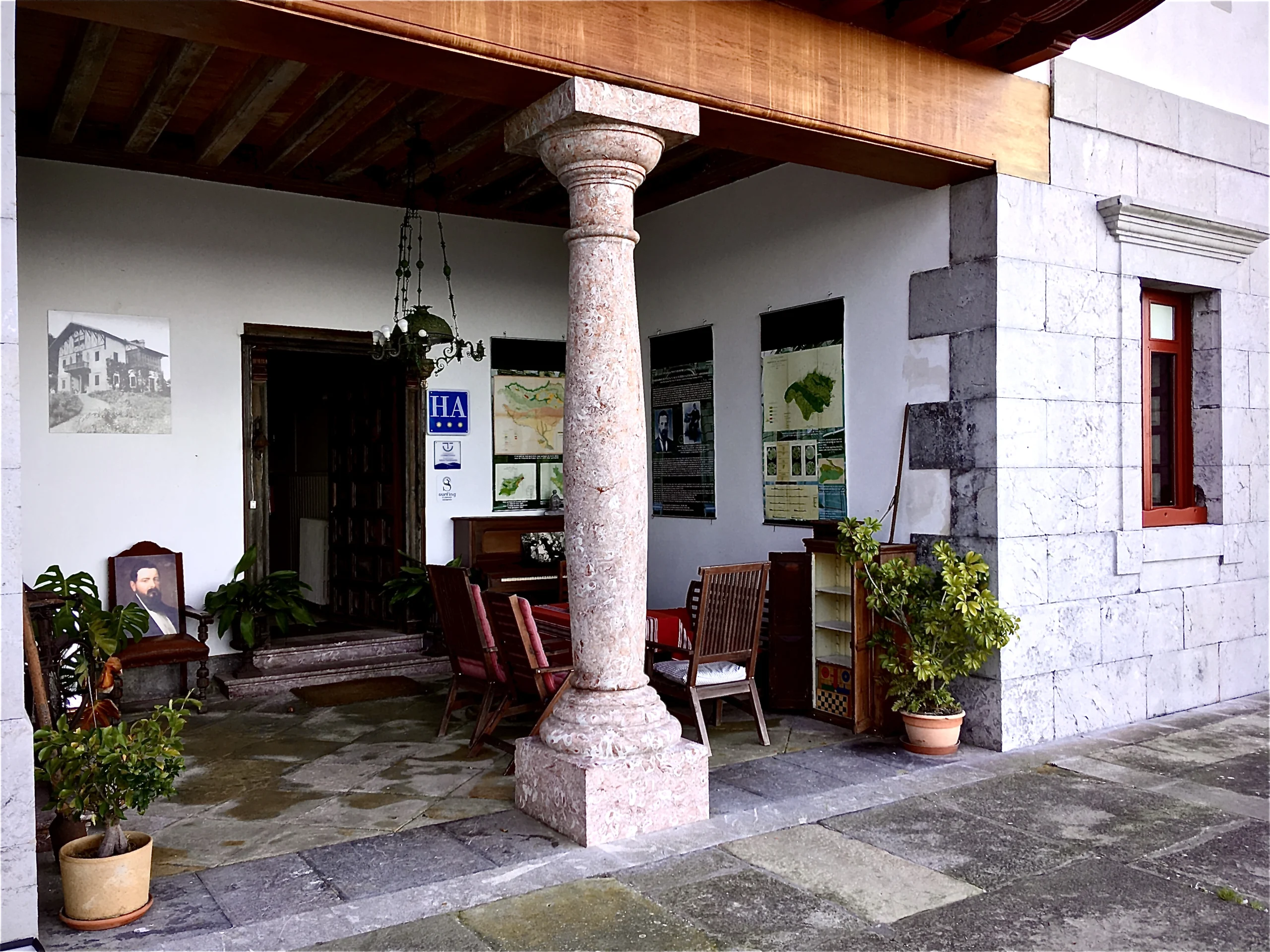
Museumification
We have created a modest museum-like setting in the Hotel to highlight the building’s architectural value and its significance in the early days of seaside tourism on the Basque coast. The ambiance of the main entrance will transport you to the late 19th century, when Ramón Adán de Yarza and his wife, María Dolores Gortazar, built their summer home.
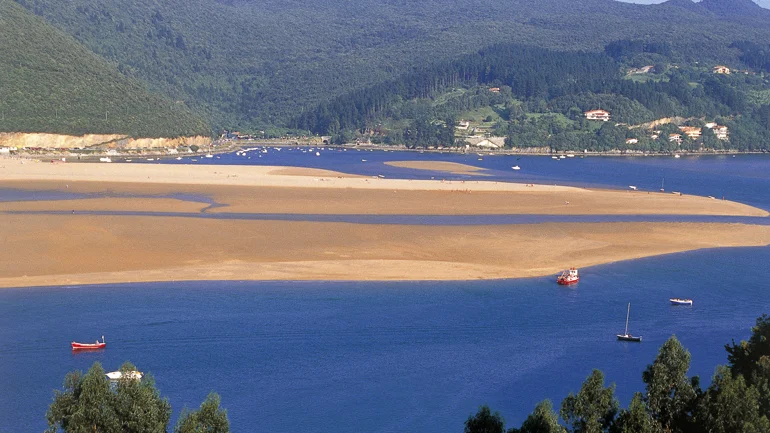
From your room you can admire Karraspio beach with the dramatic Cantabrian Sea in the background. Or the medieval town of Lekeitio or the beautiful Baroque palace of Zubieta to the south, Ramón’s ancestral home, perched on the estuary next to the old tidal mill… All of this just a five-minute walk away.
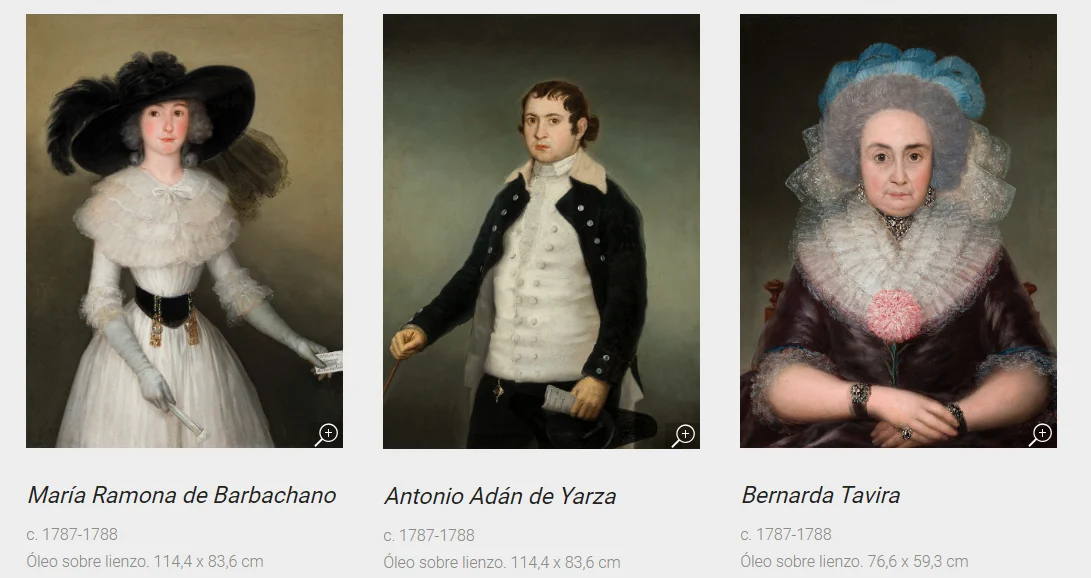
To truly grasp the caliber of those who built this house, there is nothing better than tracing its lineage back to the two figures portrayed by Francisco Goya himself in the late 1780s.
These are Antonio Adán de Yarza and María Ramona de Barbachano, great-grandparents of our Ramón. An aristocratic family with enormous wealth in land and buildings in rural and urban Bizkaia; all their generations have members also holding public office in the various institutions of the Basque administration and even in the Castilian court.
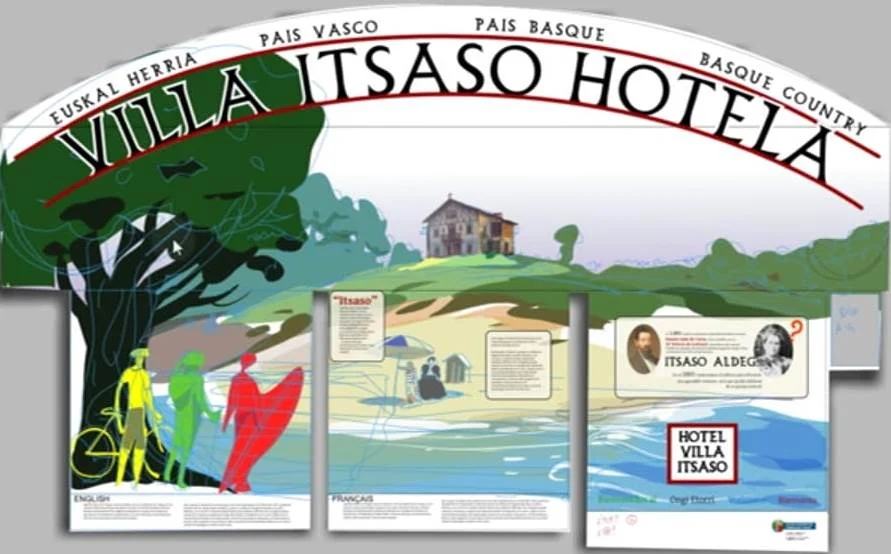
Sea tourism has begun, and the Adán de Yarza-Gortazar family is joining this new trend that will forever revolutionize life in the Basque coastal towns. These are new times, and the beach is starting to be seen as a source of enjoyment and an unprecedented health benefit.
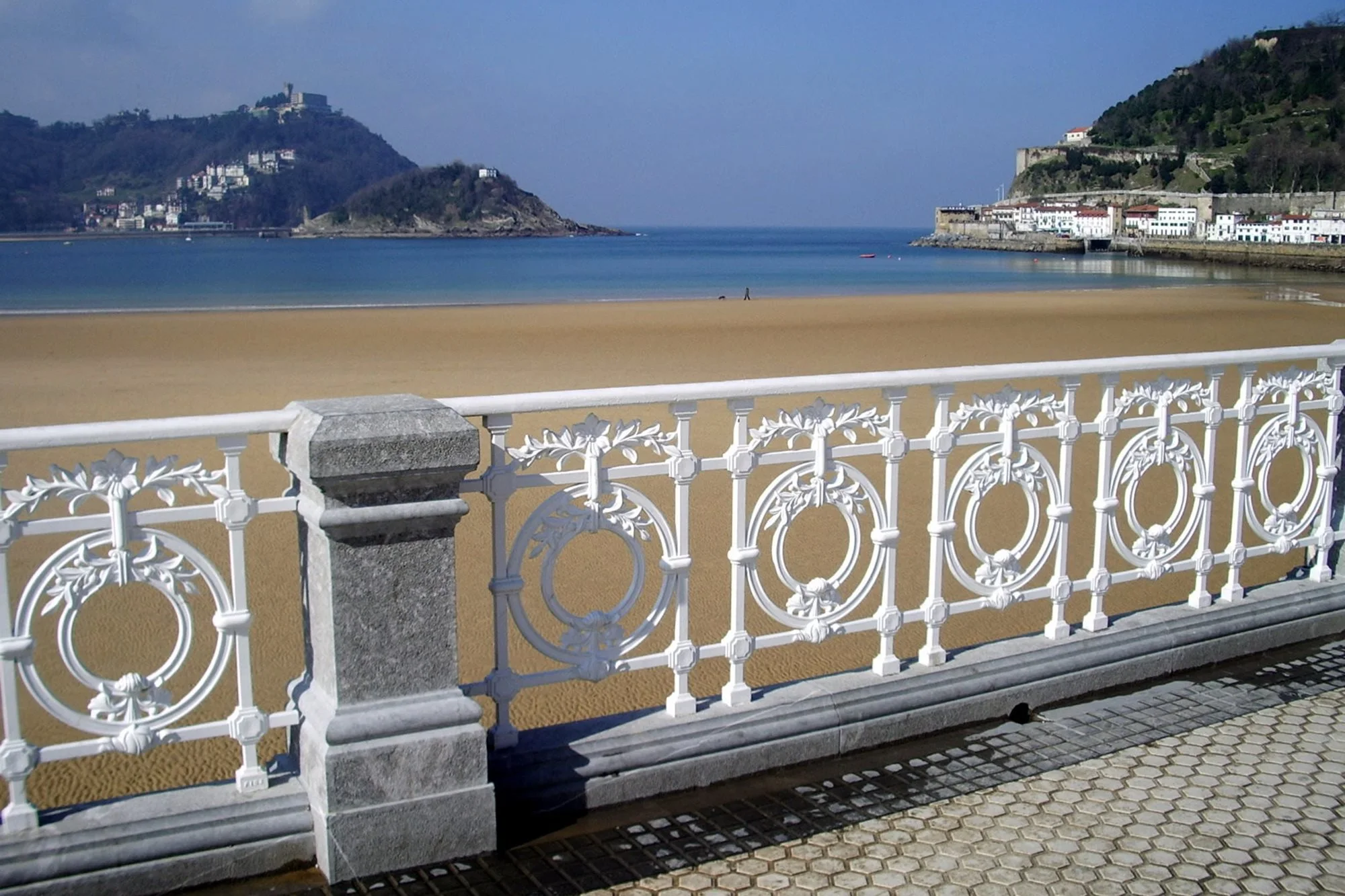
Further west we find Bilbao in less than an hour’s drive and at the same distance to the East, Donostia / San Sebastián with its obligatory gastronomic day of the internationally recognized pintxos and a cultural cherry with Chillida Leku or a simple walk through the Bella Easo.